
2nd Property Investment · Money & Structure
Three of my clients bought second properties in the CBD between 2011 and 2012. All three have had strong rentals for over a decade. Yet none of them have been profitable from their investments. Ten years of resale data says they aren't the exception.
The short version.
"Looks cheap and good. Near MRT, in CBD, easy to rent out. What do you think?"
I get this question from clients looking to buy a second property, ALL THE TIME.
These are clients who have completed their decoupling process from their condos, or HDB upgraders who are keen to buy two separate properties individually. They will send the PropertyGuru links to one- or two-bedder condos in D1 or D2 (Marina Bay, Raffles, Tanjong Pagar) and feel that they’ve uncovered investment gems in land-scarce Singapore.
Today, One Marina Gardens still has unsold units, and it's adding to the CBD hype. I'll come back to it.
The rental game in the CBD is strong. Driven strongly by the expats in finance, tech and every other industry that Singapore pulls in. Let me show you how strong the rentals are from my live cases.
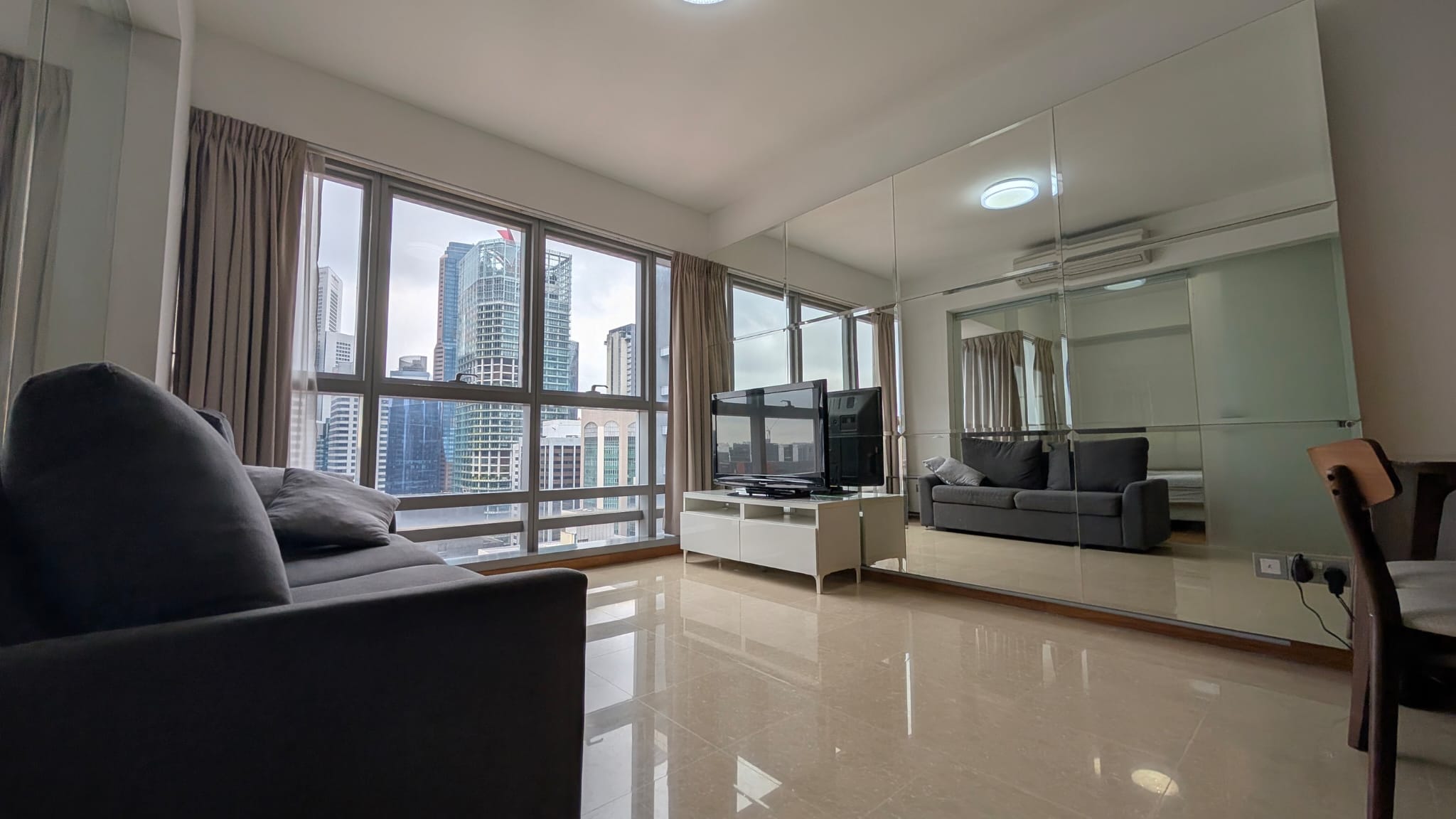
Yew Lin bought a unit at The Clift in July 2012. She's a tech executive who has since retired early. The family home is in her husband Desmond's name, so The Clift was her sole property and she paid no ABSD on it.
 1 / 5
1 / 5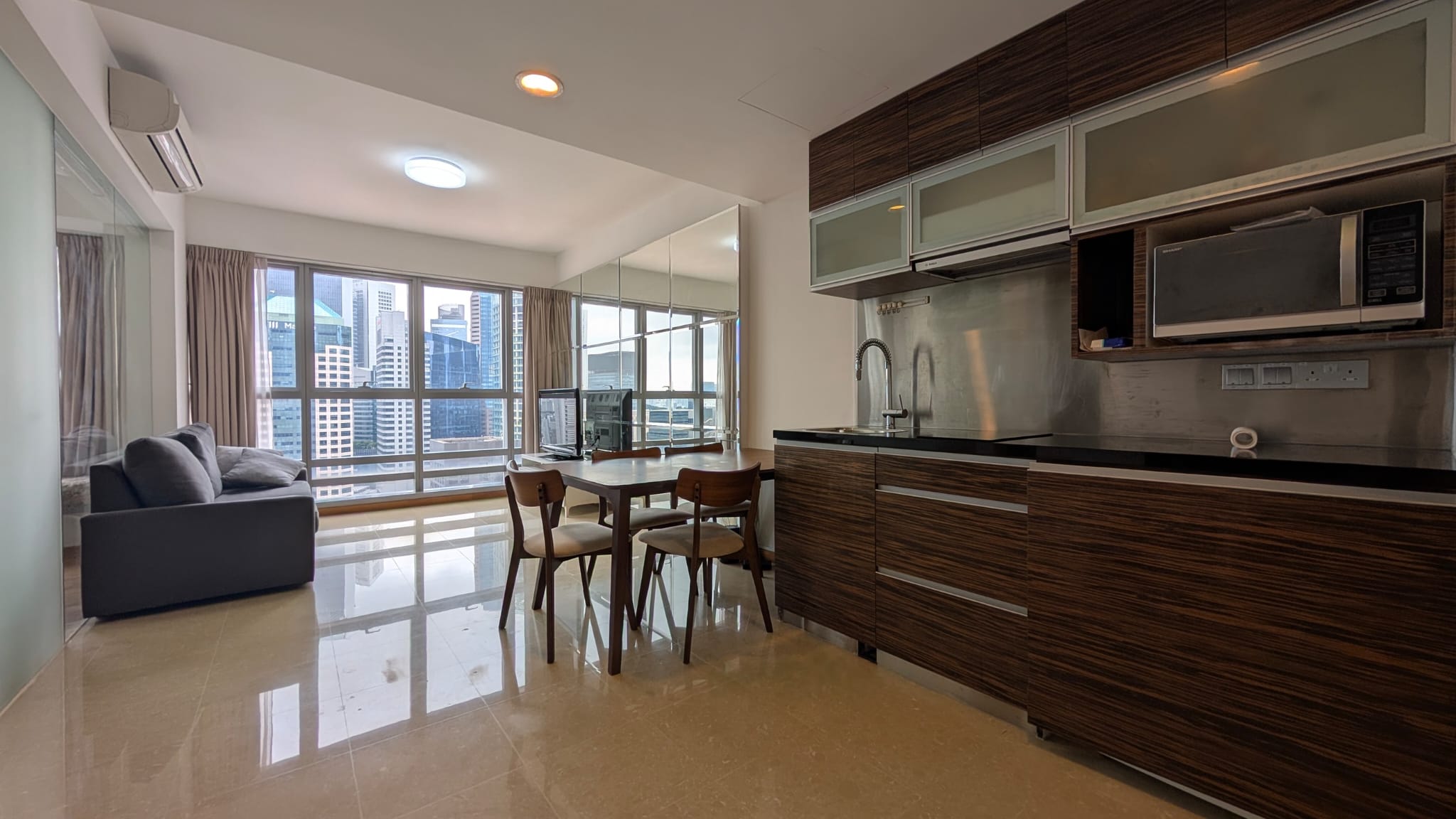 2 / 5
2 / 5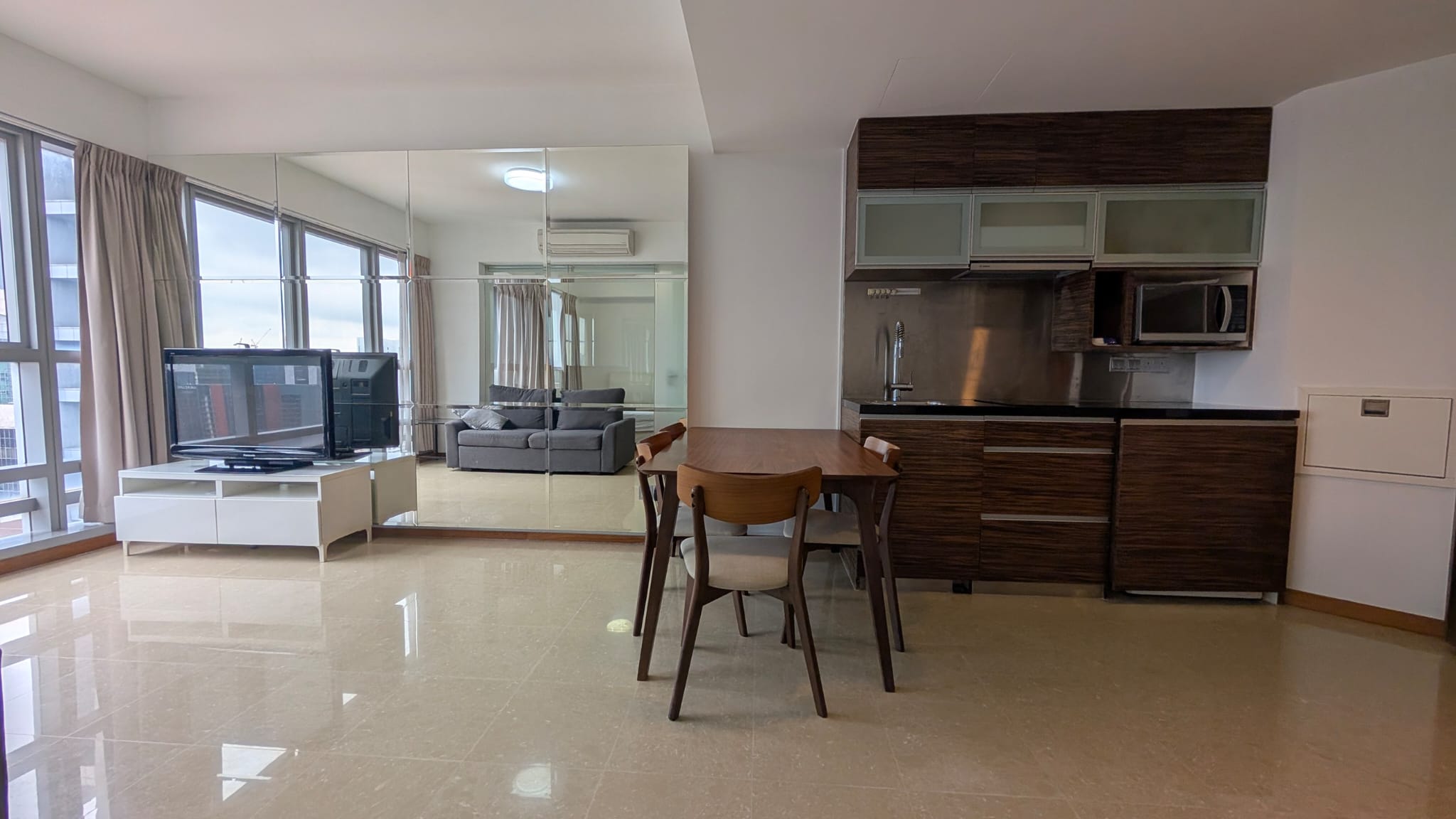 3 / 5
3 / 5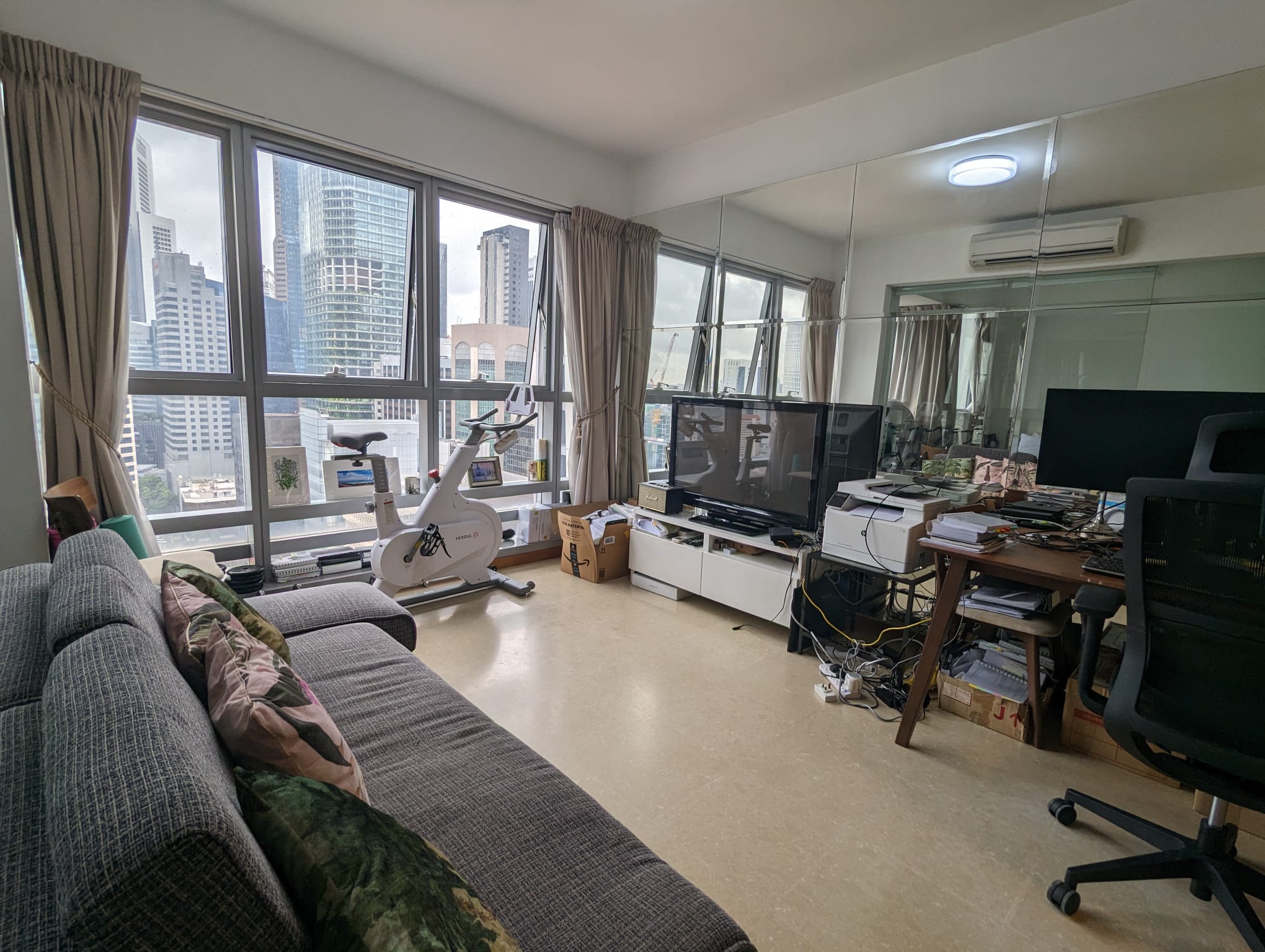 4 / 5
4 / 5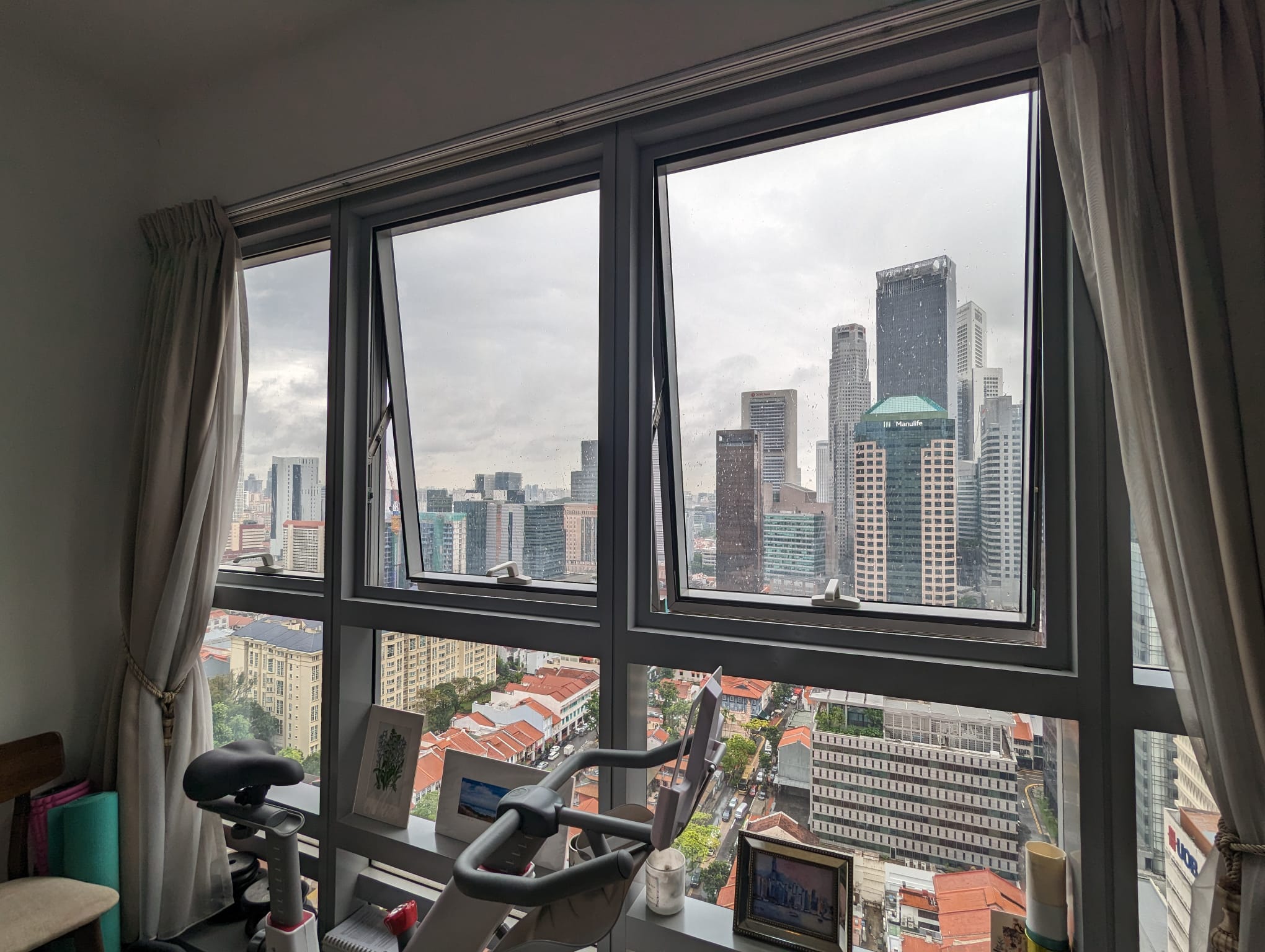 5 / 5
5 / 5In fourteen years, it's never been empty for more than a month between tenancies.
I've lost count of the tenants. A Singaporean at a private bank. Startup founders from Malaysia. Lawyers from Australia, professionals from Spain, a CEO from South Africa. A student from China whose private education school was across the road. Right now it's a Canadian expat, almost three years in.
Rent collected ran between $3,600 and $4,400 a month for most of that time.
It isn't free money. Things break, appliances get replaced, tenants ask for furniture. But in fourteen years the rent has barely stopped. That’s somewhere around $650,000 gross rental over 14 years.
Now that she's retired, that rent is part of how she and Desmond fund their month. It's doing some heavy lifting for their investments.
So when someone tells you a CBD unit is easy to rent out they're right.
Here’s the other part.
Yew Lin bought the Clift for $1,180,000. Today the best price we could realistically get is about $1,150,000. The highest offer she's had in recent years was $1,080,000.
She's said no to every offer. Her reason is always the same: the rent is good, so why let it go at that price?
It's a fair answer. But the truth is, we can’t get a selling offer higher than her purchase price.
Yew Lin's purchase at The Clift
What she paid, what the unit would fetch today, and the result after costs. Rent is not counted here.
| Bought, July 2012 | $1,180,000 |
|---|---|
| Buyer's stamp duty paid | $30,000 |
| Best price achievable today | ~$1,150,000 |
| Selling costs at that price | ~$28,000 |
| Result on the property itself | −$88,000 |
| At the $1,080,000 offer she turned down | −$157,000 |
Selling costs are 2% commission plus GST and $3,000 legal.
Achievable price is my estimate from recent transactions in the project, not a formal valuation.
Fourteen years of good tenants, in a building in demand with expats, and she's losing $88,000 before she even sells.
There's a version of this where that's fine. She retired early, the excess rent funds her expenses, and she never needs the capital. The property has been a cashflow instrument for fourteen years and nothing else. But that’s not what she was sold back in 2012, that was before ABSD for second properties was a thing.
Was she just unlucky? Let’s check.
I pulled the 2016-2026 resale records for five CBD condos: The Sail @ Marina Bay, Marina Bay Residences, The Clift, ICON and SkySuites@Anson. I manage client units in three of them.
That gave me 209 units bought from 1 January 2016 and sold again by August 2026. For each one I worked out what the owner kept after stamp duty, agent's commission and legal fees.
Five CBD condos, bought from 2016 and resold by 2026
How many resold units beat their purchase price, and how many lost money once stamp duty, commission and legal fees were counted.
Turn your phone sideways to see the full table, or swipe it left.
| Project | Resales | Sold above purchase price | Lost money after expenses | Typical margins after expenses |
|---|---|---|---|---|
| The Sail | 71 | 54 | 34 | +$5,800 |
| Marina Bay Residences | 14 | 7 | 9 | −$74,800 |
| The Clift | 27 | 19 | 13 | +$11,200 |
| ICON | 53 | 39 | 27 | −$900 |
| SkySuites | 44 | 29 | 27 | −$17,600 |
| All five | 209 | 148 | 110 | −$5,900 (median) |
Units bought from 1 Jan 2016 and resold by Aug 2026. "Typical" is the median. Costs: buyer's stamp duty at the rate then in force, seller's stamp duty where it applied, 1% commission plus GST, $5,000 legal fees.
Over half lost money on the property once we factored in expenses. The typical CBD investor walked away with $5,900 less, after five years of owning, managing and renting out a CBD condo.
Then I added the rent. We use median rental for the same size in the same condo and give 1 month vacancy every 2 years of lease. The typical owner collects $250,000 in 5 years.
So nearly all the owners made their “profit” from their tenant, and none from the capital appreciation.
CBD condo against CPF
What the same money earned a year, rent included, compared with leaving it in the CPF Ordinary Account.
| Where your money was, over the same years | Annualised return |
|---|---|
| CBD condo, bought outright, no loan | 2.6% |
| CBD condo, bought with 75% bank loan | 1.6% |
| CPF Ordinary Account, left alone | 2.5% |
Property returns include rent. CPF OA is the prevailing rate.
A loan is supposed to multiply your gains. It only does that when the price is moving. Here it isn't, so the loan is just a cost.
Which raises the obvious question. If the tenant is paying, does it matter?
In 2011 I helped an investor hunt for a loft in Tanjong Pagar. We viewed a bunch of them in a 700-unit Tanjong Pagar condo called The ICON. This was quite a roller coaster, the buyer, Malcolm, viewed the final unit on Saturday, we negotiated all of Sunday and Monday. By EOD Monday, Malcolm paid the 1% option deposit to the seller.
Two days later, on the evening of Wednesday 7 December, the government announced a new cooling measure. Additional Buyer's Stamp Duty.
We had a meeting on Thursday at Coffee Bean Greenwich, minutes from where he lived, to work out what to do.
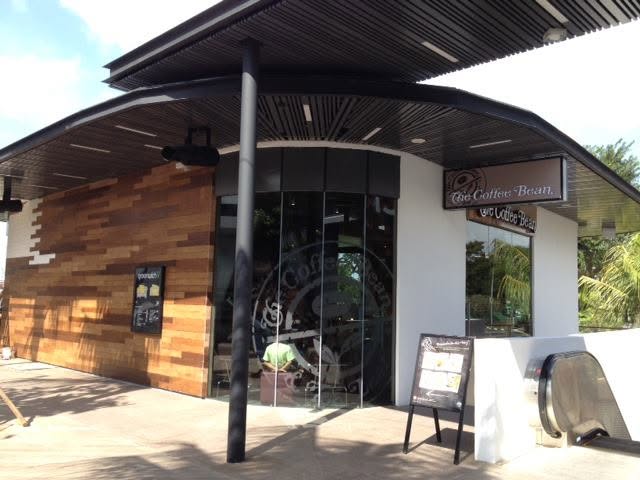
The new stamp duty was never going to touch him. Options granted on or before 7 December were not affected by this ABSD ruling. The real issue was simpler: the government had just moved to cool the market he was buying into, and at that point, he could walk away from the market and lose just his 1% option fee.
A little about Malcolm: he runs a consultancy that works with global governments, so he reads policy changes like that for a living. His thinking was two-pronged, and he said it plainly.
One, the rent is the cashflow that carries the investment and pays down the loan.
Two, any capital appreciation is a bonus.
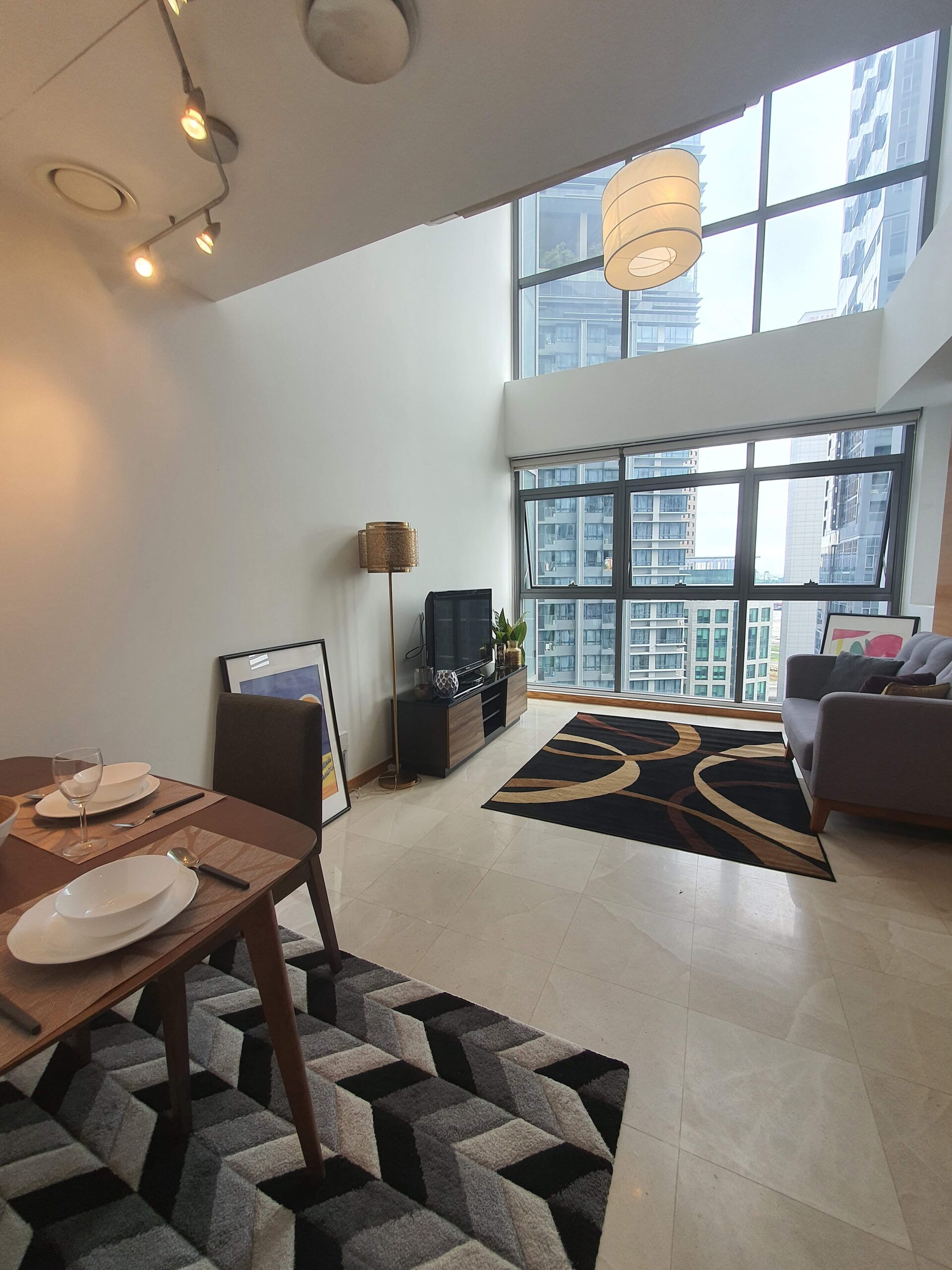
He paid $1,350,000 for 786 sqft one bedroom loft unit. At that point, he already co-owned his family's home with his wife, so this was his second property in his name. Some years later he moved to Australia with his wife and children, for good, though the work still flies him back to Singapore.
 1 / 5
1 / 5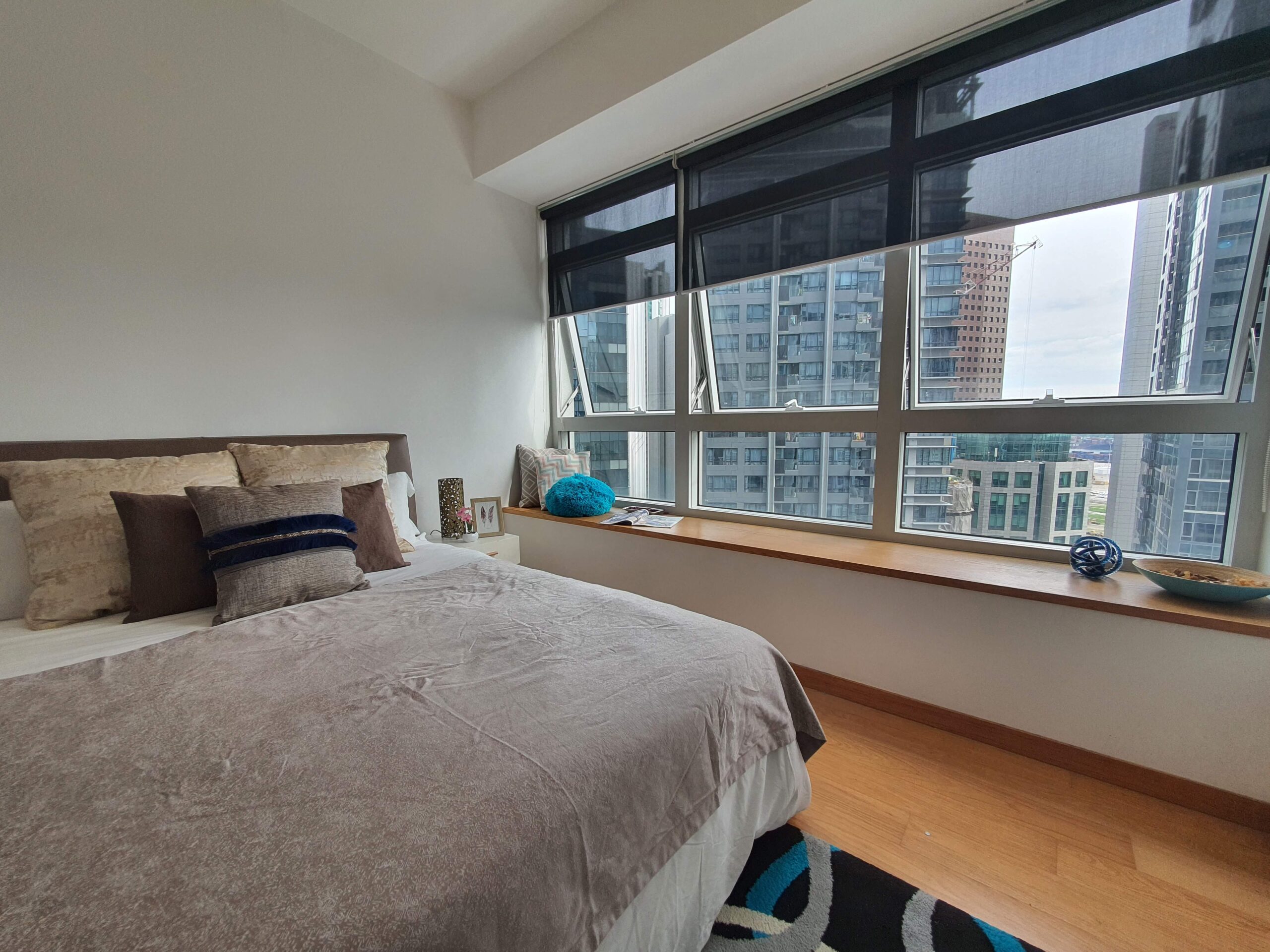 2 / 5
2 / 5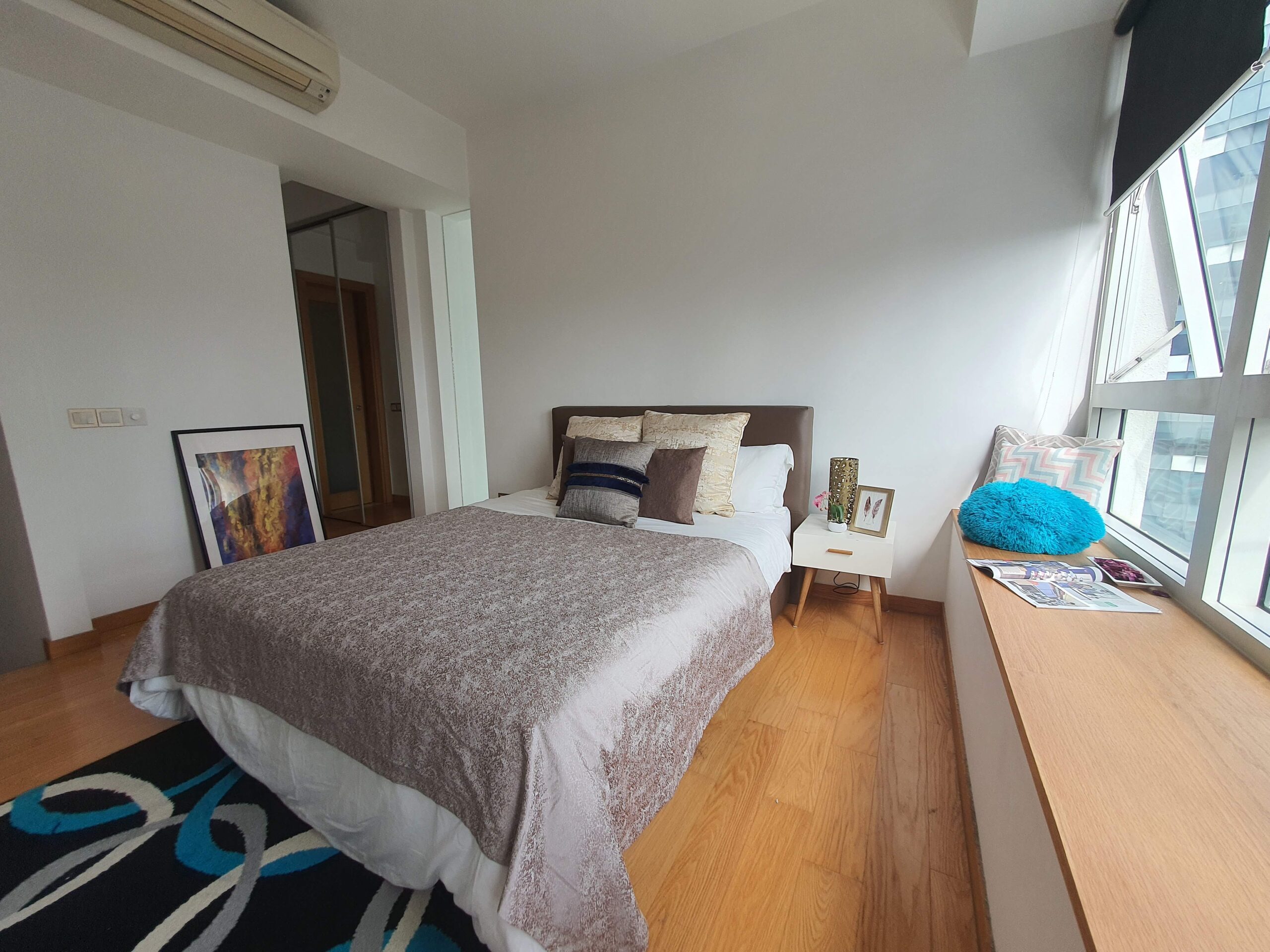 3 / 5
3 / 5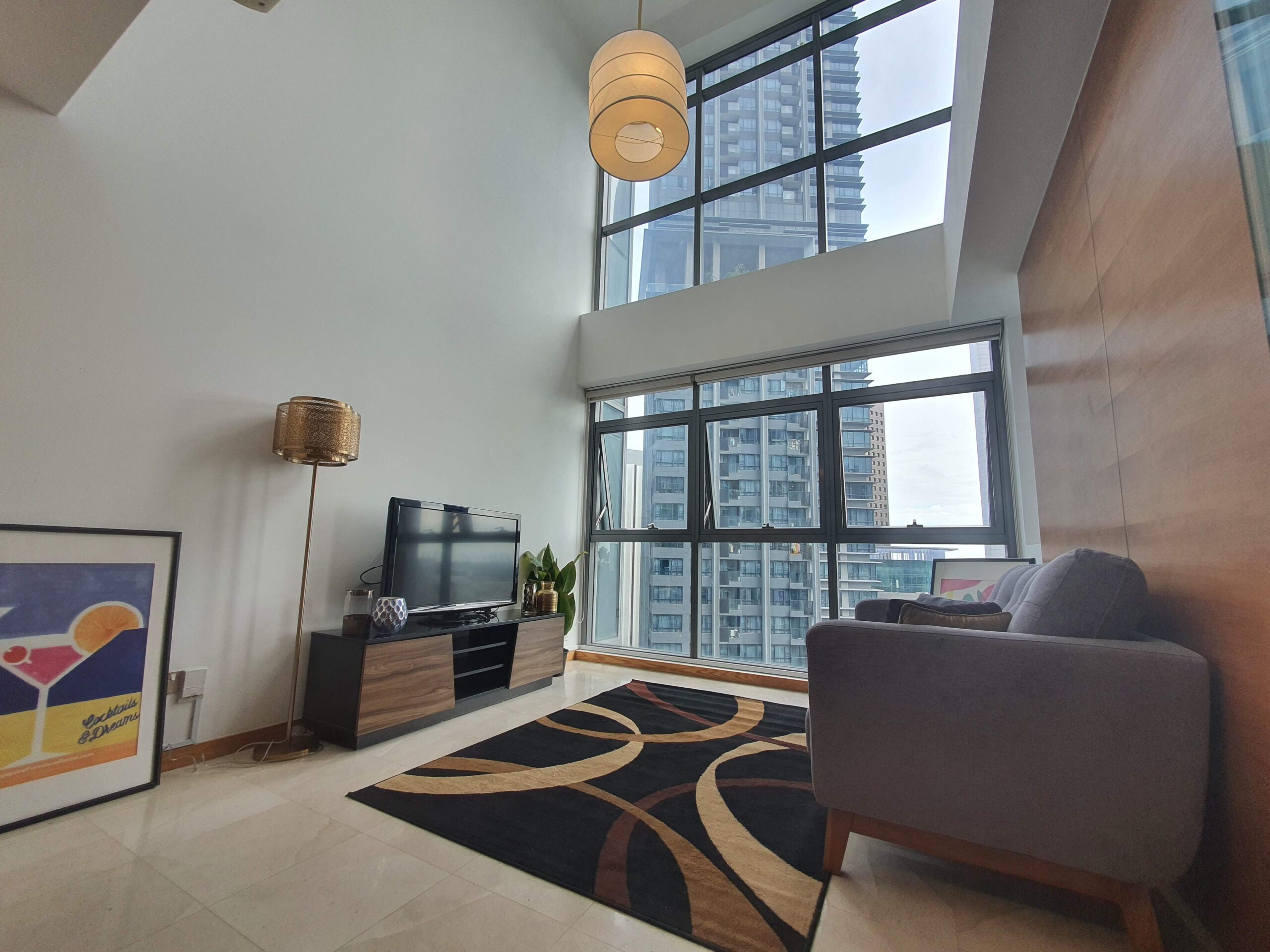 4 / 5
4 / 5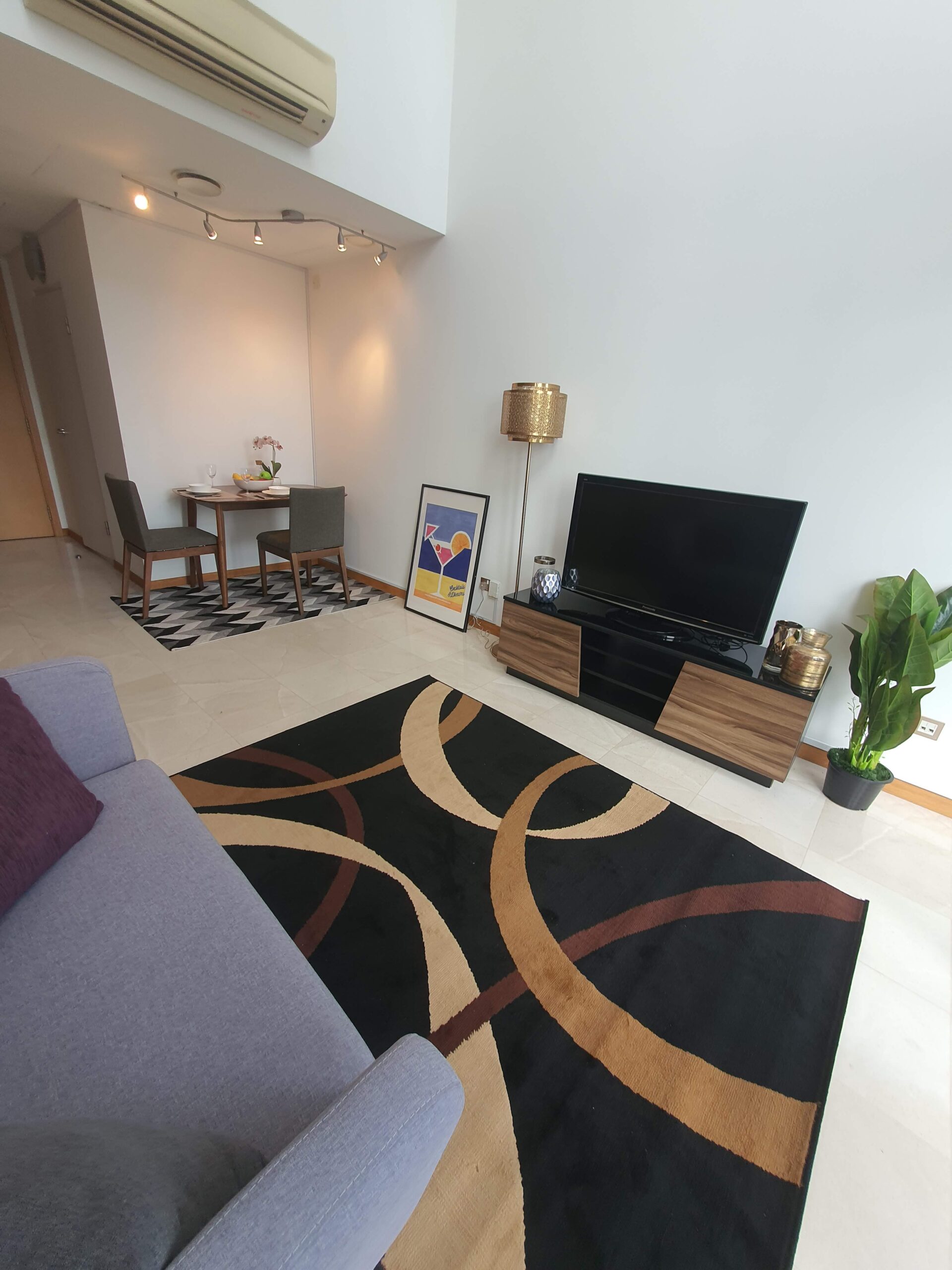 5 / 5
5 / 5Over the ten years we leased it out, the rental ran between $3,800 and $4,600 a month. In 2021 he sold for $1,155,000.
So the bonus never came. The question is whether the cashflow covered it.
Two separate accounts. Here's the property.
What the property cost him
Malcolm's ICON loft on price alone, before any rent.
| Bought, 2011 | $1,350,000 |
|---|---|
| Buyer's stamp duty | $35,100 |
| Sold, 2021 | $1,155,000 |
| Selling costs | $27,700 |
| Result | −$257,800 |
And here's the tenant.
What the tenant brought in
Ten years of rent, less the costs of keeping the unit tenanted.
| Rent collected over ten years, gross | $483,000 |
|---|---|
| Property tax | −$30,000 |
| Maintenance, at $150 a month | −$18,000 |
| Agent fees, one month per two-year lease | −$22,500 |
| Repairs | −$5,000 |
| Result | +$407,500 |
Rent is the midpoint of the range we collected, over 115 of 120 months. Property tax, maintenance and agent fees are from his records. Repairs were negligible: the tenancy agreements put minor repairs and replacements on the tenant.
Now put them together.
Malcolm's ten years, all in
The property result and the rental result together, less loan interest.
| The property | −$257,800 |
|---|---|
| The tenant | +$407,500 |
| Loan interest | −$156,000 |
| Ten years | −$6,300 |
Loan principal isn't counted as a cost. All of that came back at sales completion as a smaller loan to clear. Loan interest is the real cost and doesn't come back.
Ten years. Dozens of tenants. A full market cycle.
And he’s back to square one.
The tenant pays him in cash, every month, for ten years. The mortgage came out of his CPF. So the $407,500 came to him in cash, to save or spend.
Yet, he wasn't earning rental income. He was withdrawing his own CPF and calling it rental income.
That's the thing about buying for cashflow with appreciation as the bonus. If the bonus doesn't arrive, the cashflow isn't profit. It's repayment.
The fair objection to all three of my clients is timing.
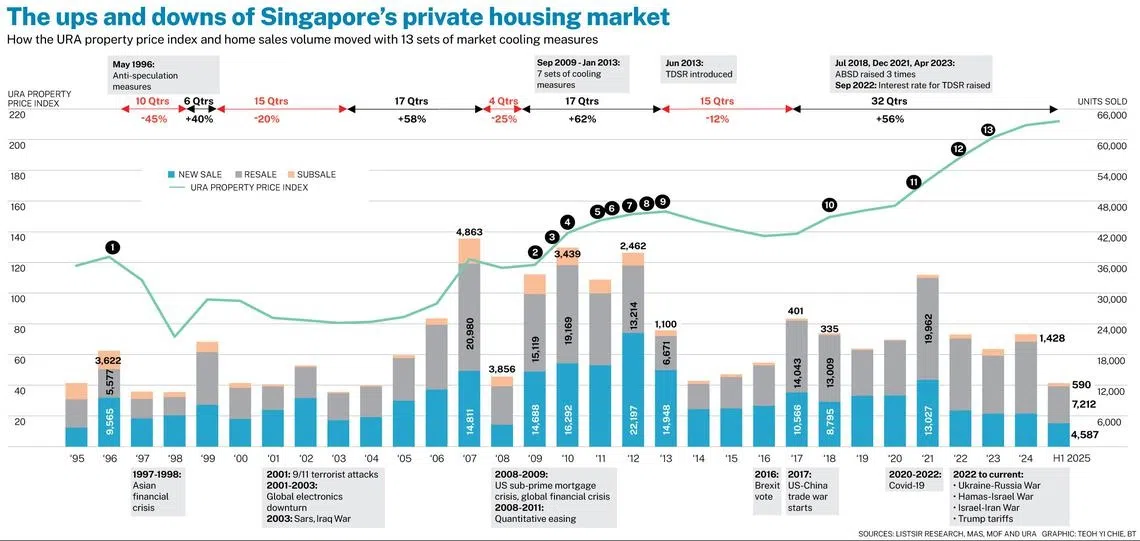
Yew Lin bought it in July 2012. Malcolm in 2011. My third client, whom you'll meet shortly, in April 2012. All three were buying into the run-up to the 2013 peak in private prices.
So here are two owners from the public data (not my clients) who bought at the market bottom in late 2017.
Two owners who bought at the 2017 bottom
Public resale records, not my clients. Price, rent and loan costs across the full holding period.
Turn your phone sideways to see the full table, or swipe it left.
| ICON 1-bed, 560 sqft10 Gopeng Street #12-11 | The Sail 2-bed, 861 sqft6 Marina Boulevard #41-15 | |
|---|---|---|
| Bought | Nov 2017, $1,000,000 | Oct 2017, $1,499,888 |
| Sold | Mar 2026, $980,000 | Dec 2025, $1,706,888 |
| Price result after costs | −$60,300 | +$143,800 |
| Rent collected, gross | +$351,800 | +$495,900 |
| Loan interest and holding costs | −$247,400 | −$369,100 |
| Result | +$44,100 | +$270,600 |
| Return on own cash, a year | 1.7% | 5.9% |
The ICON owner paid a fair price during the low market, all he had to show for after eight years was the rental collected. The bombshell: he'd have done better leaving the money in CPF.
The Sail owner made real money. Even so, 47% of it came from the tenant, while the property itself grew 1.6% a year before costs.
Top of the market, bottom of the market… Same results… so it’s not when a CBD investor buys in. Everyone suffers, together.
Maybe it isn't the CBD either. Maybe this is just what condos do? So I ran the same test somewhere nobody would recommend to you.
Changi Rise in Tampines.
Northoaks in Woodlands.
Rivervale Crest in Sengkang.
Why these three? They had the most units bought and resold since 2016.
No agent is going to hype you up about these projects. (Neither would I, until now.)
They're over twenty years old and nowhere near an MRT. Northoaks is a former EC. You probably would see listings from these condos if you sort your propertyguru search by the cheapest.
CBD five against OCR three
Units bought from 2016 and resold by 2026. Same method and cost assumptions for both groups.
Turn your phone sideways to see the full table, or swipe it left.
| CBD, 5 condos | OCR, 3 condos | |
|---|---|---|
| Resales of units bought since 2016 | 209 | 114 |
| Sold above purchase price | 71% | 94% |
| Lost money after costs | 53% | 6% |
| Typical price result after costs | −$5,900 | +$271,000 |
| Typical price growth a year, before costs | 0.7% | 5.5% |
| Share of return from rent | 94% | 33% |
| Typical entry | $1.3M for 667 sqft | $895,000 for 1,249 sqft |
| Lease remaining | 75 to 81 years | 70 to 73 years |
The OCR/suburbs are older, further from town, but twice the space. Back in 2016, they were $400,000 cheaper. Over five years, they beat the CBD five on price, on profit and on return.
Through leveraging their purchase with a bank loan, the CBD owner grew their cash by 1.6%, the typical OCR owner's own cash grew about 14 to 16% a year.
And these three weren't the best of the bunch. Across 13 older OCR condos in my data, 358 units were resold over the same years. Just six lost money after expenses.
The buildings aren't “better”. Neither are the tenants. What's different is who buys it from you.
Rent went up in both CBD & OCR. Home prices went up only in OCR. .
From 2021 to 2026, rent per square foot in the CBD five rose up to 42%. Home prices moved between −1% and +8%.
In the OCR three, rent rose 50 to 56% and prices rose 35 to 41%.
Median resale price, % growth since 2021.
Median monthly rent, % growth since 2021.
*2026 is January to August for prices, January to July for rent. Source: URA caveats and URA rental contracts via Square Foot Research. Median price per sq ft and median rent per sq ft, each basket a simple average of its project medians. Transaction data are factual records and do not forecast prices.
The difference shows up in the leases. In the CBD towers, roughly half the units sign a new lease every year. In the OCR three, it's 9 to 11%. The CBD towers are rental accommodation, and the person most likely to buy from you is another investor.
Go back to Yew Lin's tenants at The Clift. Fourteen years of professionals and expats, in and out on two-year leases. Great tenants. Not one of them was ever going to buy the unit.
An investor prices your unit off its rent, and since 2021 the return they want has gone up. ABSD on a Singaporean's second property rose to 17% in December 2021, then 20% in April 2023. Mortgage rates climbed from 2022 to 2024. So when CBD rents went up, yields went up instead of prices.
If your only bidder is fixated on a rental yield, there's a limit to how far you can push.
In the suburbs, the next buyer is usually a family. Since 2024, 34 to 43% of buyers in the OCR three came from an HDB address, against about 27% in the CBD five. Their budget comes from two incomes (husband and wife) that grew and they need just one home they'll live in.
This buyer profile buys to be near the school or near the grandparents. Not from a yield target.
I'm not going to review the project. Others have done that properly. I'm interested in one thing about it: who buys your unit in 2035.
Around 70% of the unit mix are one- and two-bedders, roughly 660 of the 937 units. The one-bedders sold out first. When you try to flip in future, a large share of your competition are other landlords holding the same layout.
It's also the first residential project in Marina South. Fifteen more residential sites sit in the master plan for the same precinct. All 15 will enter and fight for the same, small buyer pool you'll be selling into.
None of these will confirm if you’ll lose (or make) money. But it will tell you where the negotiating leverage will lean towards (the buyer, not the seller).
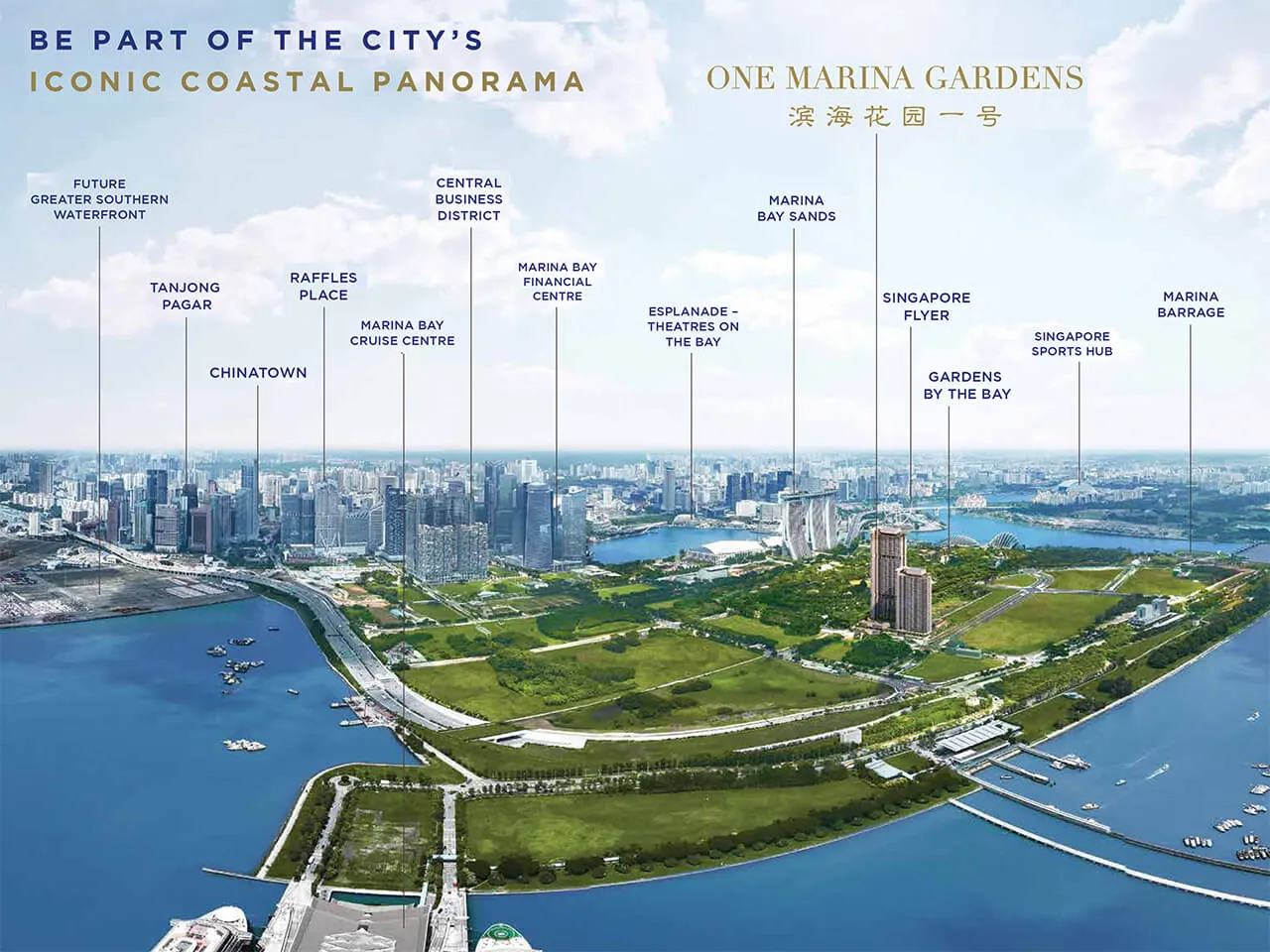
Marina South isn't the CBD my clients bought into. The Sail, ICON and The Clift went up in an area that was already well established. Marina South is a new master-planned precinct with an MRT station not yet running, and a lot of it still on paper. That's a genuinely different bet, and ten years of resale data from 2000s-era towers can't test it.
What my research tests would be the mechanism. If most of your neighbours are landlords, and most of your tenants are on two-year contracts, then the person who buys your unit is pricing it off rental yields. It was true for the CBD five, it should be true for OMG and the future 15 new condos.
Every property you buy to rent out runs on two things.
Rental - it pays the loan, and when selling prices soften, it brings investors in because the yield looks good. It stops you being forced to sell. [Floor]
Price appreciation - It lies with the next buyer, and whether their budget is growing faster than your price. It's the only thing that pushes the price up. [Engine]

My third client: Adeline has owned a floor with no engine for fourteen years.
She's a business litigator. She co-owns a semi-detached in Hougang with her family, which is where she lives, and in April 2012 she bought a two-bedder at ICON in her own name for $1,500,000. It was her second property, and there was no ABSD on a Singaporean's second property then. She chose a unit facing the tennis court, because she loves the game.
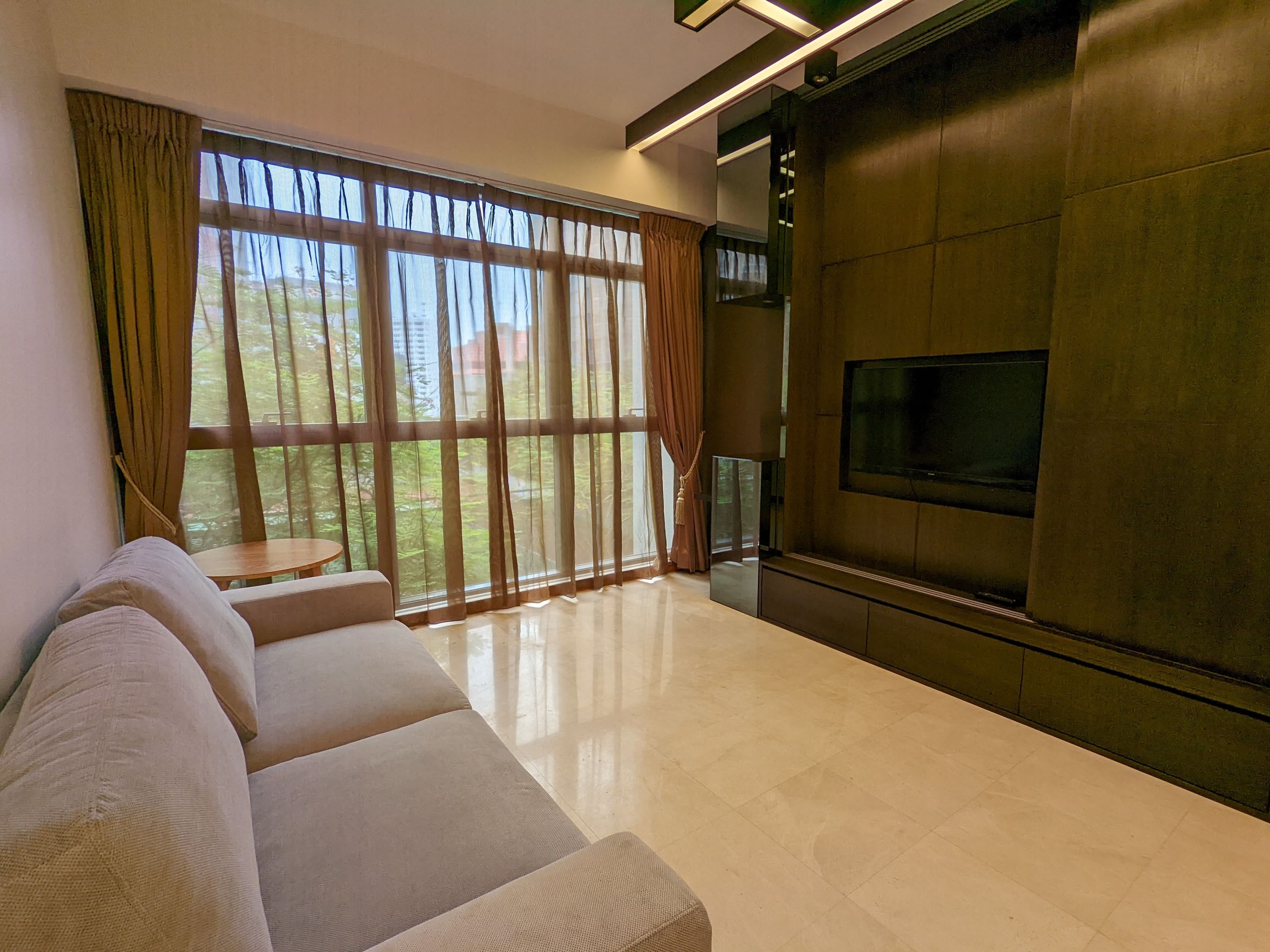
The rent has never failed her. We had tenants from Hong Kong, Australia and India. A Korean family who wanted an extra freezer, just for their kimchi. The Japanese couple renting now had their first baby while living there ❤️. Rent has ranged from about $4,800 to $6,000 a month. In-between tenants, she's moved in herself to stay.
Rental across the years
We've talked about selling in the past. She won't sell the Hougang semi-detached, and she says she's “stuck with the ICON unit, thanks to ABSD”.
"The property prices have barely increased since my purchase. At least the rental is good enough to cover the expenses."
She isn't complaining. A tenant every year and a unit that pays for itself. She's a litigator. She reads contracts for a living. This wasn't carelessness, it was getting caught out by policy changes that had no signs of being introduced during her time.
There's a second way this goes wrong, and it's the opposite mistake: buying property with good appreciation, without a strong rental base.
If you buy for appreciation and the unit doesn't rent, your income carries the loan alone. In a two-property household split over two names, that's one income per loan. If your income wobbles, you're forced out before the price moves up.
You won't still own the unit when the engine arrives.
Stop thinking rent is how you get rich from property. Rent is just the safety net that keeps you from going underwater while you wait for price appreciation.
If you buy something expecting it to appreciate but it doesn't generate rent, you need bulletproof income to carry the loan alone. If you don't have the financial ammo, you'll be forced out before the property ever appreciates.
Rentals in the suburban condos nearly matched CBD rentals. Before we open any propertyguru link, I ask the same question
Are you okay collecting rent for the next twenty years and, in the worst case, watching the price stagnate? Is the rent the only profit you need?
If the answer is yes, we go ahead. So far, it's always been no.
So we start looking for something with both a floor and an engine.
Send me the link you're looking at, both your incomes, and how long you're prepared to hold. I'll tell you whether it has a floor, an engine, or just a nice yield.
Get a Second Opinion ↗Names changed to protect client privacy, and used with their consent. Occupations, property types, purchase and sale figures, and analytical structure are real. Client transaction figures are from purchase and completion documents; rental ranges are as recorded across the leases we handled. Property tax, maintenance and agent fees in the ICON case are from the owner's records. Loan interest is modelled on the loan size and average rate consistent with the actual outstanding balance at sale; loan principal is excluded as a cost because it is recovered in full at completion. Workings available on request. Achievable prices quoted for units still held are my estimate from comparable transactions in the same development and are not a formal valuation. Aggregate transaction prices are from URA caveats via Square Foot Research, covering units bought from 1 January 2016 and resold by August 2026; one CBD transaction was excluded as a suspected non-market price. "Typical" means median. Costs include buyer's stamp duty at the rate then in force, seller's stamp duty where it applied, commission plus GST at the rate then in force, and legal fees. Rent for the aggregate analysis is estimated from URA median rent for the same project and unit size each year, with one month's vacancy every two years; actual leases will differ. One Marina Gardens unit mix, unit count and sales progress are as publicly reported; verify current figures with the developer. Marina South precinct plans are per the URA Master Plan. Policy information is current as at 26 September 2026; verify ABSD treatment for your own purchase with IRAS. Past performance is not indicative of future results.